

Fireplaces Online
Add a review FollowOverview
-
Founded Date May 8, 1946
-
Sectors Food Delivery
-
Posted Jobs 0
-
Viewed 2
Page Options
-
Title You'll Never Guess This Buy Fireplace's Benefits
-
Layout default
-
Content Alignment default
-
Sidebar Position default
-
Custom Widgets Area default
-
Header Styles default
Company Description
You’ll Never Guess This Buy Fireplace’s Benefits
The Ultimate Guide to Buying a Fireplace: What You Need to Know
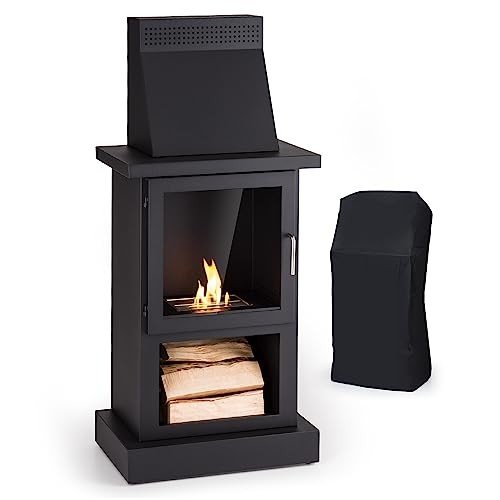
Fireplaces are more than simply functional heating sources; they are also centerpieces of a room, supplying heat and atmosphere throughout winter seasons. Whether it’s a traditional wood-burning design, a sleek gas alternative, or a modern electric Buy Fireplace, choosing the best fireplace can substantially improve a home’s comfort and visual. This guide aims to assist possible buyers navigate the many options readily available, highlighting crucial elements to think about, types of fireplaces, and addressing common concerns.
Aspects to Consider Before Buying a Fireplace
Before diving into your fireplace purchase, it’s necessary to evaluate numerous factors that will influence your choice. Here is a comprehensive list of factors to consider:
-
Heating Needs: Calculate the square footage of the area you desire to heat. This will assist identify the kind of fireplace and its size.
-
Fuel Type: Decide whether you prefer wood, gas, or electrical fireplaces. Each type has its advantages and disadvantages, influencing installation, upkeep, and operating expense.
-
Setup: Consider the installation requirements and whether you need to make modifications to your home. Some fireplaces, specifically wood-burning ones, might need a chimney or flue.
-
Ventilation: Proper ventilation is vital for safety and performance. Some systems are ventless, while others need extensive venting.
-
Visual Appeal: Fireplaces been available in numerous styles and surfaces. Select one that complements your home’s decoration and your personal taste.
-
Budget: Factor in not only the preliminary cost of the fireplace however also installation, maintenance, and fuel costs gradually.
-
Regional Regulations: Check regional structure codes or policies regarding fireplace setup, especially for wood-burning models.
Table 1: Comparing Different Types of Fireplaces
| Type | Fuel Source | Effectiveness | Setup Cost | Upkeep | Visual Appeal |
|---|---|---|---|---|---|
| Wood-Burning | Wood | 70-80% | Moderate | High (chimney cleansing needed) | Traditional, rustic feel |
| Gas | Natural gas/propane | 75-85% | Moderate to High | Low (very little upkeep) | Sleek, modern, or standard designs available |
| Electric | Electricity | 99% | Low | Very low | Contemporary appearance, numerous styles available |
| Pellet | Wood pellets | 80-90% | Moderate | Moderate (periodic cleaning) | Eco-friendly, rustic feel |
Types of Fireplaces
1. Wood-Burning Fireplaces
These standard fireplaces are frequently constructed into a home and supply a classic, rustic charm. They require a chimney or flue for proper ventilation. Wood-burning fireplaces can be a bit more labor-intensive, as they require routine cleansing and maintenance.
2. Gas Fireplaces
Available in both vented and ventless choices, gas fireplaces are a popular choice for property owners. They supply the atmosphere of a standard fireplace with the convenience of gas. Vented gas fireplaces need a chimney, whereas ventless models do not, making them much easier to set up.
3. Electric Fireplaces
Electric fireplaces are significantly popular due to their ease of setup and flexibility. They do not need venting and can be easily moved. Additionally, they produce heat without the requirement for a flue and can typically be utilized as an extra heating source for a space.
4. Pellet Fireplaces
Pellet fireplaces operate on wood pellets, providing an environmentally friendly alternative. They are efficient and typically featured automated features, which can make them more hassle-free than traditional wood-burning fireplaces.
Table 2: Pros and Cons of Common Fireplace Types
| Fireplace Type | Pros | Cons |
|---|---|---|
| Wood-Burning | Genuine ambiance, independent of power | Labor-intensive, requires upkeep |
| Gas | Easy to utilize, adjustable heat, less upkeep | Requires setup of gas lines |
| Electric | No venting needed, simple setup | Might have greater operating costs depending upon electricity rates |
| Pellet | Environmentally friendly, effective heating | Requires electricity to run, requires regular cleaning |
Regularly Asked Questions (FAQ)
Q1: How do I pick the best size fireplace for my home?
A1: Calculate the square video footage of the area you desire to heat. You can then speak with a professional or utilize online BTU calculators to discover an appropriately sized fireplace based upon your heating requires.
Q2: Are electrical fireplaces safe?
A2: Yes, electric fireplaces are typically very safe as they do not produce real flames. However, they can become hot to the touch, so it’s necessary to place them in locations where children and family pets can’t accidentally touch the heating components.
Q3: What kind of upkeep is needed for a wood-burning fireplace?
A3: Regular upkeep consists of chimney cleaning, examining for creosote accumulation, and making sure that the flue is working correctly. A professional evaluation is recommended each year.
Q4: Do gas fireplaces need to be vented?
A4: Vented gas fireplaces require a chimney or flue to expel hazardous gases, while ventless designs do not require venting however may not be allowed particular areas due to safety regulations.
Q5: Can I install an electric fireplace myself?
A5: Many electrical fireplaces are designed for easy installation and can be established without professional aid. However, always follow the manufacturer’s standards and consult a professional if you have any doubts.
Buying a fireplace can raise the convenience and style of any home. With a range of choices available, it’s vital to consider aspects such as fuel type, heating efficiency, installation requirements, and individual visual choices. By comprehending the pros and cons of each type and taking the time to research, possible buyers can make informed choices that will boost their home for several years to come. Whether for warmth, ambiance, or both, the best fireplace is an important addition to any home.
 Manpower Supply & HR Management
 International Job Manpower Supply
 Training & Placements
 BPO Projects
 Web Development
 Software Development
 Mobile App Development
 Digital Marketing