

Small Cooker Hoods
Add a review FollowOverview
-
Founded Date October 27, 1963
-
Sectors Food Delivery
-
Posted Jobs 0
-
Viewed 2
Page Options
-
Title See What Hood Cooker Tricks The Celebs Are Using
-
Layout default
-
Content Alignment default
-
Sidebar Position default
-
Custom Widgets Area default
-
Header Styles default
Company Description
See What Hood Cooker Tricks The Celebs Are Using
Everything You Need to Know About Hood Cookers: The Ultimate Kitchen Companion
Hood cookers, frequently described as range hoods, are necessary appliances in contemporary kitchens. They are developed to ventilate the area by capturing heat, smoke, steam, and odors produced during cooking. With the varied alternatives offered, including various designs, mounting types, and features, choosing the best hood cooker can be an overwhelming task for lots of property owners. In this post, we will explore the world of hood cookers, exploring their types, functions, benefits, and important considerations for choosing the perfect range hood for your home.
Table of Contents
- Understanding Hood Cookers
- 1.1 What is a Hood Cooker?
- 1.2 Why Install a Hood Cooker?
- Types of Hood Cookers
- 2.1 Wall-Mounted Range Hoods
- 2.2 Under-Cabinet Range Hoods
- 2.3 Island Range Hoods
- 2.4 Downdraft Ventilation
- Key Features to Consider
- 3.1 Size and Height
- 3.2 Airflow Efficiency
- 3.3 Noise Levels
- 3.4 Lighting Options
- 3.5 Filtration Systems
- Benefits of Having a Hood Cooker
- Tips for Choosing the Right Hood Cooker
- Often Asked Questions (FAQs)
1. Understanding Hood Cookers
1.1 What is a Hood Cooker?
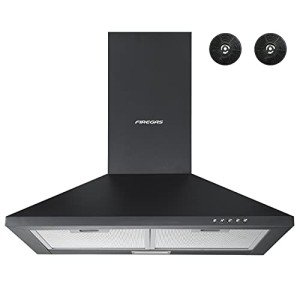
A Hood Cooker (www.issacdonnelly.top) is a kitchen device designed to remove airborne grease, smoke, and smells produced while cooking. By successfully flowing air, hood cookers help maintain a fresh and enjoyable environment in the kitchen.
1.2 Why Install a Hood Cooker?
Installing a hood cooker has a number of benefits:
- Improved Air Quality: It helps in eliminating humidity and contaminants from the air.
- Boosted Cooking Experience: A tidy air environment makes cooking more pleasurable.
- Safety: Reducing air-borne grease reduces the threat of kitchen fires.
- Aesthetic Appeal: An elegant hood cooker can improve the total design of a kitchen.
2. Kinds Of Hood Cookers
Numerous types of hood cookers are readily available, each designed to fit different kitchen styles and configurations.
2.1 Wall-Mounted Range Hoods
Generally mounted above the cooking range on a wall, these hoods can be found in various styles, from traditional to contemporary.
Pros:
- Suitable for numerous kitchen designs.
- High suction power.
Cons:
- Requires appropriate wall area.
2.2 Under-Cabinet Range Hoods
These are set up beneath kitchen cabinets, saving area while offering excellent ventilation.
Pros:
- Compact and space-saving.
- Easier to set up.
Cons:
- May not be as powerful as wall-mounted options.
2.3 Island Range Hoods
These range hoods are designed for kitchens with a cooking island, hanging above the stovetop.
Pros:
- Aesthetic centerpiece.
- Supplies excellent ventilation.
Cons:
- Higher installation expenses.
2.4 Downdraft Ventilation
Installed directly behind the cooktop, downdraft systems pull smoke and vapors down while cooking.
Pros:
- Discreet and minimalistic.
- Saves overhead space.
Cons:
- Less effective for heavy cooking.
| Type of Hood Cooker | Pros | Cons |
|---|---|---|
| Wall-Mounted | Versatile, High suction power | Requires wall area |
| Under-Cabinet | Space-saving, Easy installation | Might have lower power |
| Island | Appealing, Excellent ventilation | Higher installation expenses |
| Downdraft | Minimalist, Space-saving | Less reliable for heavy cooking |
3. Secret Features to Consider
When selecting a hood cooker, keep these essential features in mind:
3.1 Size and Height
Pick a hood cooker that matches the width of your cooktop. Generally, it should be at least 3 inches larger than the range on each side. The recommended height is 24 to 30 inches above the cooktop for wall-mounted hoods.
3.2 Airflow Efficiency
Measured in cubic feet per minute (CFM), airflow performance determines how well the hood eliminates smoke and smells. A greater CFM score indicates better efficiency. Generally, a range hood ought to have a CFM ranking of 300 to 600.
3.3 Noise Levels
Noise can be an important factor to consider. A lot of range hoods run between 1.5 to 6.5 sones. A sones score of 1.5 to 3.0 is considered quiet, while anything above that may be disruptive.
3.4 Lighting Options
Excellent lighting is necessary while cooking. Lots of hood cookers come equipped with incorporated lighting, which can be halogen, LED, or incandescent. Choose for intense lighting that can brighten your cooking surface efficiently.
3.5 Filtration Systems
Two primary types of filtration systems exist: ducted and ductless. Ducted hoods expel air outside, while ductless hoods use filters to recirculate air. Choose based upon your kitchen’s design and preference.
| Function | Importance |
|---|---|
| Size and Height | Matches cooking surface, makes sure efficiency |
| Airflow Efficiency (CFM) | Determines the hood’s ability to aerate |
| Sound Levels | Convenience level throughout operation |
| Lighting Options | Presence while cooking |
| Filtration Systems | Ducted vs. ductless based upon installation requires |
4. Benefits of Having a Hood Cooker
- Air Quality Improvement: Removes contaminants in the air.
- Aesthetically Pleasing: Enhances kitchen design.
- Increased Home Value: A well-designed range hood can increase resale worth.
- Cooking Safety: Reduces fire threats by controlling grease build-up.
5. Tips for Choosing the Right Hood Cooker
- Evaluate Your Cooking Habits: Consider how often and intensively you cook.
- Step Your Space: Ensure proper fit within your kitchen design.
- Design Preferences: Choose a style that complements your kitchen design.
- Spending plan: Set a practical budget that consists of installation expenses.
6. Regularly Asked Questions (FAQs)
Q1: Do I need a hood cooker if I have a gas stove?A1: Yes, it is suggested as gas stoves produce more pollutants and require correct ventilation for safety and air quality. Q2: How typically need to I clean up the hood filters?A2: It is a good idea totidy grease filters on a monthly basis and replace charcoal filters
every 6 months to preserve effectiveness. Q3: Can I set up a hood cooker myself?A3: While some people can install it, it is suggested to
work with an expert for correct setup
and alignment. Q4: What CFM ranking is best for my kitchen?A4: A general rule is to go for 100 CFM for each 10,000 BTUs of your stove’s
output. For typical home cooking, a CFM between 300-600 must be adequate. In conclusion, hood cookers are a vital part of every modern kitchen, improving air quality, boosting security, and adding to the kitchen’s general visual appeals. By understanding the various types, functions, and advantages, house owners can make educated options that best fit their cooking habits and kitchen styles.
 Manpower Supply & HR Management
 International Job Manpower Supply
 Training & Placements
 BPO Projects
 Web Development
 Software Development
 Mobile App Development
 Digital Marketing