

Treadmill Without Electricity
Add a review FollowOverview
-
Founded Date October 29, 1913
-
Sectors Food Delivery
-
Posted Jobs 0
-
Viewed 12
Page Options
-
Title Why Nobody Cares About Non Motorized Treadmill
-
Layout default
-
Content Alignment default
-
Sidebar Position default
-
Custom Widgets Area default
-
Header Styles default
Company Description
Why Nobody Cares About Non Motorized Treadmill
The Benefits and Considerations of Non-Motorized Treadmills
On the planet of fitness equipment, treadmills have actually long been a staple for anybody aiming to enhance cardiovascular health, burn calories, and improve general fitness levels. While motorized treadmills control the marketplace, non-motorized treadmills have gained traction over the last few years. This blog site post checks out the functions, benefits, and factors to consider of utilizing non-motorized treadmills, using a comprehensive guide for those considering this distinct exercise option.
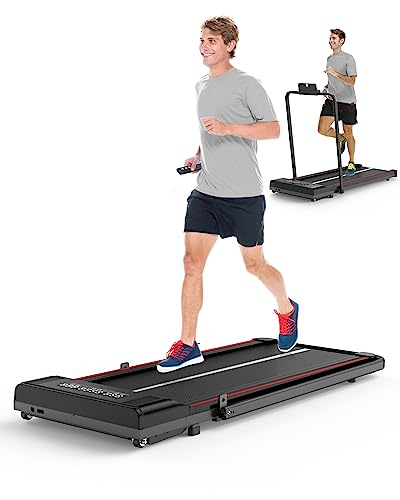
What is a Non-Motorized Treadmill?
A non-motorized treadmill, often described as a Manual Treadmill For Home treadmill, operates without an electric motor. Rather, it counts on the user’s effort to move the belt. This style permits users to set their rate, supplying a versatile exercise experience that can be customized to individual fitness levels.
Secret Features of Non-Motorized Treadmills
| Function | Description |
|---|---|
| Self-Powered | Uses the user’s motions to power the belt. |
| Adjustable Incline | Frequently comes with adjustable slope settings. |
| Compact Design | Generally smaller and lighter, making them easier to save. |
| Resilience | Developed with less electronic elements, decreasing maintenance needs. |
| Eco-Friendly | Requires no electricity, making them a sustainable alternative. |
Benefits of Non-Motorized Treadmills
While both motorized and non-motorized treadmills have their benefits, the latter deals special advantages that attract different physical fitness enthusiasts. Here are a few of the crucial benefits of non-motorized treadmills:
1. Improved Caloric Burn
Non-motorized treadmills require users to actively move the belt, which can lead to a greater caloric burn compared to their motorized equivalents. According to a research study conducted by the Journal of Sports Sciences, individuals using non-motorized treadmills increased their energy expenditure by approximately 30% throughout exercises.
2. Greater Muscle Engagement
The self-propelled nature of non-motorized treadmills suggests users engage more muscles, consisting of leg, core, and stabilizer muscles. This engagement can result in better strength and endurance in time.
3. Customized Workouts
Without pre-programmed speeds or incline settings dictated by a motor, users have full control over their workout’s intensity. This flexibility allows users to tailor exercises to their specific objectives, whether that means integrating sprints, intervals, or steady-state cardio.
4. Increased Stability and Balance
Using a non-motorized treadmill promotes better balance and stability. As users need to keep their stride to keep the belt moving, they develop much better proprioception, which can equate into enhanced movement abilities in other activities.
5. Minimal Maintenance Required
With no electrical elements, non-motorized treadmills need considerably less maintenance than motorized models. Users might require to sometimes lube the belt or tighten the frame, however general maintenance is minimal.
Factors to consider When Choosing a Non-Motorized Treadmill
While non-motorized treadmills provide numerous benefits, there are likewise considerations to bear in mind before buying.
1. Preliminary Learning Curve
Due to their unique mechanics, some users might experience a learning curve in getting used to a non-motorized treadmill. At first, workouts may feel more tough than on a motorized treadmill, which can deter beginners.
2. Limited Features
Non-motorized treadmills usually provide fewer functions compared to motorized choices, such as built-in workouts, heart rate displays, and advanced tracking capabilities. Users who desire these additionals may need to look for higher-end models or be prepared to compromise on technology.
3. Lower Top Speeds
Because the user sets the pace, non-motorized treadmills may not attain the very same leading speeds as motorized ones. Professional athletes training for particular running events might find this limitation restrictive.
4. Physical Limitations
Individuals with particular physical limitations or injuries may find it more challenging to use a non-motorized treadmill, such as those fighting with balance or coordination. It’s vital to seek advice from a health care expert before starting any brand-new workout regimen.
Regularly Asked Questions (FAQ)
Q1: Are non-motorized treadmills suitable for all fitness levels?
A1: Yes, non-motorized treadmills can deal with all physical fitness levels. Novices can begin gradually and slowly increase intensity, while experienced users can include high-intensity period training.
Q2: How much space do I require for a non-motorized treadmill?
A2: Non-motorized treadmills are typically more compact than motorized ones, but it’s necessary to examine the specs of the model you are thinking about. Goal for a space that enables movement and the possibility of adjusting slope.
Q3: Can I utilize non-motorized treadmills outdoors?
A3: While most non-motorized treadmills are created for home use, some models can be used outdoors. Nevertheless, check the manufacturer’s specs and service warranty to guarantee viability for outdoor conditions.
Q4: How do I maintain a non-motorized treadmill?
A4: Maintenance includes periodically lubing the belt, looking for loose bolts, and cleaning up the surface. Routine inspections will help prolong the treadmill’s lifespan.
Q5: How do non-motorized treadmills compare in price?
A5: Non-motorized treadmills frequently range from economical to mid-range costs, making them available to a wider audience. Prices can differ based on brand name, functions, and building quality.
Non-motorized treadmills use an unique and effective exercise experience for physical fitness enthusiasts of all levels. With benefits such as enhanced calorie burn, increased muscle engagement, and minimal maintenance requirements, they can be a valuable addition to any home health club setup. However, prospective users need to consider their fitness objectives, preferences, and any physical limitations before making a decision. By weighing the advantages and disadvantages outlined in this article, people can make an informed choice that aligns with their fitness and health aspirations.
 Manpower Supply & HR Management
 International Job Manpower Supply
 Training & Placements
 BPO Projects
 Web Development
 Software Development
 Mobile App Development
 Digital Marketing