

Bike Exercise Home
Add a review FollowOverview
-
Founded Date May 30, 1901
-
Sectors Recruting Company
-
Posted Jobs 0
-
Viewed 2
Page Options
-
Title From Around The Web Twenty Amazing Infographics About Excercise Bike
-
Layout default
-
Content Alignment default
-
Sidebar Position default
-
Custom Widgets Area default
-
Header Styles default
Company Description
From Around The Web Twenty Amazing Infographics About Excercise Bike
The Comprehensive Guide to Exercise Bikes: A Path to Fitness at Home
In the last few years, the increase of stationary bicycle has actually transformed home physical fitness, making it more available and enticing to a broad audience. Whether for weight loss, general health enhancement, or simply remaining active, exercise bikes provide an extensive workout option for people of all physical fitness levels. This post looks into the different types of exercise bikes, their advantages, pointers for use, and responses to regularly asked concerns.
Types of Exercise Bikes
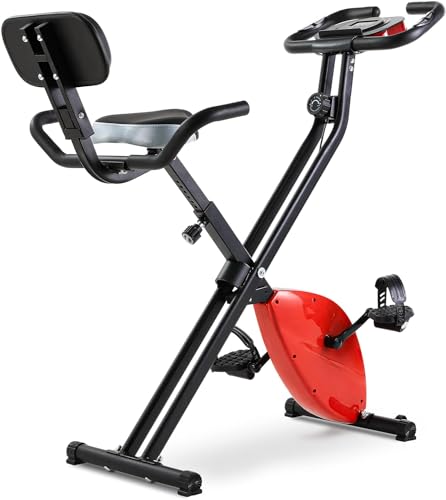
Stationary bicycle been available in different styles, each designed to deal with various preferences and fitness objectives. Below is a comprehensive summary of the most popular types:
| Type of Exercise Bike | Description | Pros | Cons |
|---|---|---|---|
| Upright Bike | A traditional bike style where the rider sits upright. | Compact style, mimics outdoor riding | May trigger pain in lower back for some |
| Recumbent Bike | Functions a bigger seat and back-rest. The rider is in a reclined position. | Comfy for the back, simple on joints | Takes up more space, might not mimic outdoor riding |
| Spin Bike | Created particularly for high-intensity workouts and biking classes. | Great for extreme cardio, adjustable resistance | Can be uncomfortable without appropriate padding |
| Dual-Action Bike | Features moving handlebars in addition to the fixed pedals. | Full-body exercise, engages upper body | Can be more complex to use for beginners |
| Air Bike | Utilizes air resistance, indicating the more difficult you pedal, the more resistance you feel. | Offers a difficult Leg Exercise Machine, helpful for HIIT | Loud operation, may be too extreme for newbies |
Advantages of Using an Exercise Bike
Stationary bicycle provide various advantages that make them an attractive choice for home workouts. Here are a few of the key advantages:
- Convenience: Exercise bikes can be used at home, removing travel time to the fitness center.
- Low Impact: They supply a low-impact cardiovascular workout, reducing stress on joints while still burning calories.
- Calorie Burning: Depending on intensity and duration, exercise bikes can burn a substantial number of calories, supporting weight loss objectives.
- Customizable Workouts: Most bikes include adjustable resistance and physical fitness programs, dealing with various fitness levels and preferences.
- Time Efficient: Short, effective exercises can yield advantages, making them ideal for hectic schedules.
- Versatile: Exercise bikes can accommodate different workout styles, including steady-state cardio and high-intensity interval training (HIIT).
Tips for Maximizing Your Exercise Bike Experience
To make the many of your exercise bike exercises, consider the following suggestions:
-
Adjust the Bike Properly: Ensure the seat height and handlebar position are comfortable to prevent strain. Your knees should not extend too far forward beyond your toes when pedaling.
-
Warm-Up and Cool Down: Always begin with a warm-up (5-10 minutes of light cycling) and finish with a cool-down to avoid injuries and promote recovery.
-
Keep Good Posture: Keep your back straight and shoulders relaxed. Engage your core to create a stable riding position.
-
Differ Your Workouts: Change your workout routine frequently. Include periods, varying resistance levels, and different cycling designs to avoid monotony and plateauing.
-
Stay Hydrated: Keep water convenient and take frequent sips, especially throughout extreme exercises.
-
Use a Heart Rate Monitor: Keep track of your heart rate to ensure you’re working within your target heart rate zone for optimal cardiovascular advantages.
Effective Workouts on an Exercise Bike
Here are 3 workout routines to help you get begun:
1. Steady-State Ride
- Period: 30-60 minutes
- Intensity: Moderate
- Description: Maintain a constant pedaling pace at a level that permits discussion without gasping for breath.
2. High-Intensity Intervals
- Period: 20-30 minutes
- Intensity: High
- Description: Alternate in between 1 minute of high-intensity biking (80-90% effort) followed by 1-2 minutes of low-intensity healing.
3. Hill Climb Simulation
- Duration: 30-40 minutes
- Intensity: Varying
- Description: Gradually increase the resistance every 5 minutes to simulate climbing a hill. Consist of a cooldown stage afterward.
Often Asked Questions (FAQ)
1. Are exercise bikes good for weight-loss?
Yes, stationary bicycle work for weight reduction when combined with a well balanced diet and a consistent workout routine. They help burn calories and build endurance.
2. How long should I ride an exercise bike for efficient outcomes?
Go for at least 150 minutes of moderate aerobic activity or 75 minutes of vigorous activity every week, as advised by health professionals. This can include much shorter rides spread out throughout the week.
3. Can I utilize a stationary bicycle if I have joint pain?
Yes, many individuals with joint discomfort discover recumbent bikes particularly comfy. The low-impact nature of cycling decreases tension on the joints compared to other types of exercise.
4. How do I maintain my exercise bike?
Regular upkeep includes cleaning up the bike, guaranteeing all bolts are tight, and lubing the chain if relevant. Examine the resistance mechanism and display for uncommon noises.
5. Exist any risks associated with exercise biking?
Similar to any exercise, there is a danger of injury if correct form isn’t used or if the bike isn’t changed correctly. Start sluggish, listen to your body, and consult a doctor if not sure about beginning a brand-new exercise regimen.
Stationary bicycle supply an effective and practical method to include cardiovascular workouts into a physical fitness regimen. With numerous kinds of bikes readily available, along with a wide range of advantages, these machines accommodate diverse choices and fitness levels. By following the ideas detailed above and keeping safety in mind, individuals can accomplish their physical fitness objectives from the comfort of their homes, improving both their physical and mental wellness.
Whether one is an experienced athlete or just starting their fitness journey, exercise bikes can serve as an important tool in establishing strength, endurance, and cardiovascular health. The key is to find what works best for you and keep pedaling toward your goals!
 Manpower Supply & HR Management
 International Job Manpower Supply
 Training & Placements
 BPO Projects
 Web Development
 Software Development
 Mobile App Development
 Digital Marketing